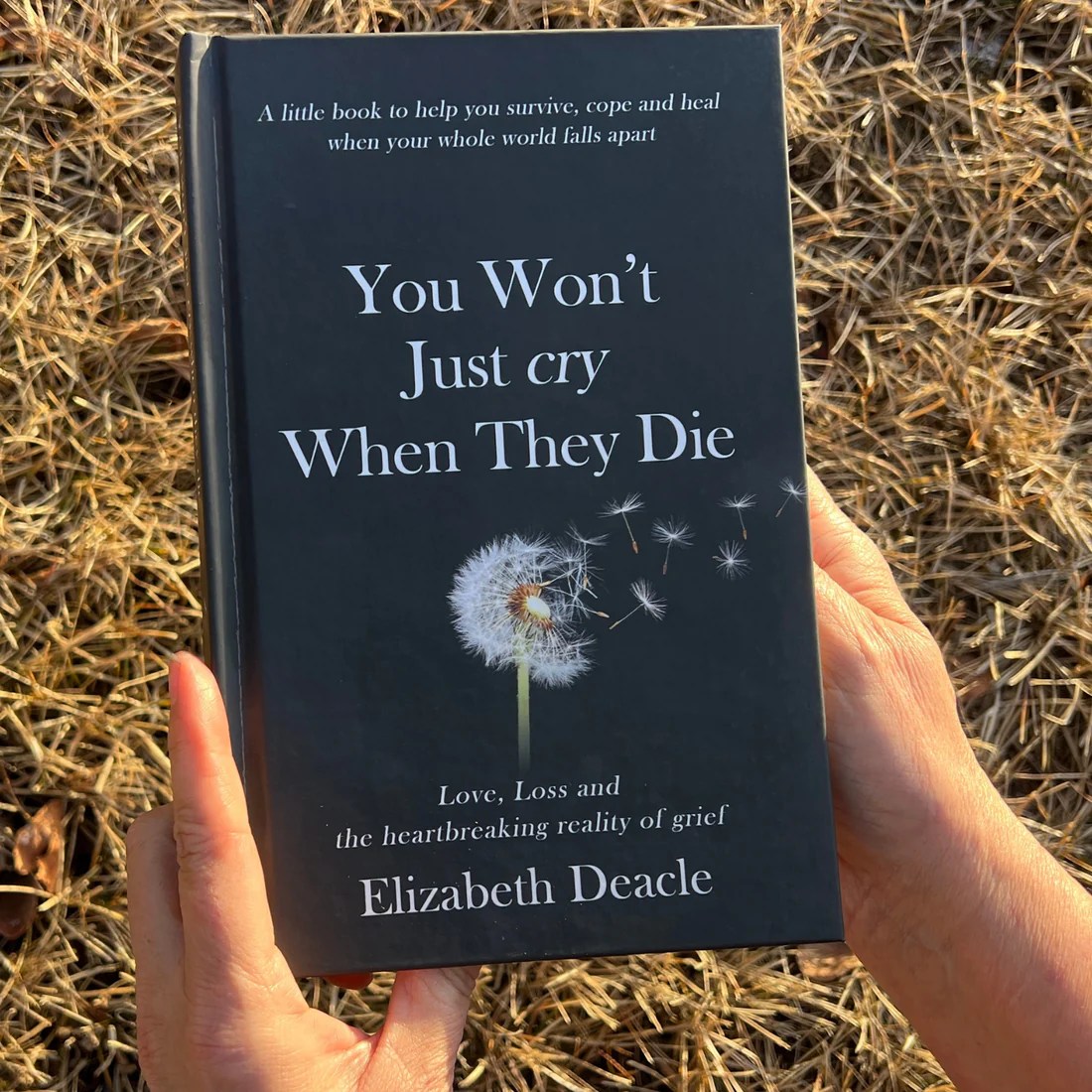
You Won’t Just Cry When They Die – Elizabeth Deacle

Love, Loss and the heartbreaking reality of grief.
A little book to help you survive, cope and gently heal when your whole world falls apart.

You Won’t Just Cry When They Die is a must-read book on grief for anyone who has loved and lost.

Offering 101 gentle messages, this little book will help you to survive, cope and tenderly heal when your insurmountable grief and loss are unbearable, and you face those days you can’t face.

“How brave it was for you to pick up this book. How incredibly brave. I’m sorry that you found it. Glad. But sorry.”

– Elizabeth Deacle // You Won’t Just Cry When They Die

With the author’s meditative voice, You Won’t Just Cry When They Die by Elizabeth Deacle is an audiobook that gave me the warm hug I didn’t know I needed.

This book is a collection of 101 messages for those navigating through the world of heart-shattering loss. Each chapter presents a gentle acknowledgement of the reader’s pain, with encouragement for them to take the next step.

I felt like each of these messages is like a wrung on a ladder, allowing the reader the opportunity to slowly climb out of their hiding place.

“Let out an almighty breath. Bellow, boom, roar, scream. Released what is begging to be released.”

Elizabeth slowly unfolds the journey of grief – one that everyone will no doubt experience in their lifetime. I felt the unforgiving ache of loss heavily.

But then, without pressure or expectation, she creates a space for the reader to simply be. A place to recognise their emotions, to make it a little easier to cope with their pain, and to endure grief just that little bit better.

“We think of being sad as being empty… But many years ago the word sad meant something else. It originated from the old English word saed. Which meant full… Overtime this fullness took on an emotional weight… of being heavy hearted… So when you say you’re sad, you’re speaking an ancient truth… You are full of sorrow, yes, but not just that… You’re full of love with a place for it to go. And that place is grief.”

While listening to this book, it made me think of what other people have said about grief. I thought of Corinne Bailey Rae’s song The Sea, and I thought of when Jimmy Carr said “grief is the price we pay for love”. Like Elizabeth says, everyone will experience grief, and there is no right or wrong way to get through it because it’s yours.

The author is an absolute word-wizard. While I have not yet experienced a deep loss, it didn’t prevent me from following her through this book with empathy, and with a newfound appreciation and respect of grief.

She sustains her natural sense of humour while being totally grounded and humbling.

“You’ll feel so incredibly sensitive… to films, to music, to quotes… to noise to silence, to heat and to cold. Sensitive to shrunken bed sheets… and crusty towels.”

The pain that she has clearly endured first-hand has been translated beautifully into words, and woven with emotion into memorable poetry.

Among the many thought-provoking metaphors, I took away that grief is a place you have to go to in order to heal. Images of trains being waved through, like grief being allowed to be released. Of hot air balloons taking you away without control. And of digging in gardens.

“I have been digging around in the garden of grief. Hitting rocks and hard stones, planting seeds and forgetting to water them. Upturning sorrowful soil and patting it down again. Raking through reasons and ploughing through pain. And, little by little, sob by scream, tear by tear, I have grown stronger.”

This is a safe and easy book to read or listen to by even those in the most fragile of mindsets. It can be started on any page with a promise of a soft but enduring whisper of support. Its ease of short chapters is just another small way of helping the reader through. Each chapter is a small recognition of their sorrow.

“Turn to nature for comfort; you’ll find she gives without boundaries.”

You Won’t Just Cry When They Die is the first step to acceptance and peace. It’s the friend you can pick up and put down, the hand you can hold and release, the person you can hug and let go of. The control has been put back into the reader’s hands – quite literally.

This book’s accessibility makes it the perfect gift for someone needing a light to be turned on during their time of darkness. Grief requires patience and time, so it’s not something you can fix for someone. But you can reach out and give them this book as a tool to help them rebuild at their own pace.

Like Elizabeth says, soon your grief will be like a dragon out of puff. And this book of peaceful messages helps the reader to face the sun again.

“Because you’re doing so very, very well.”

Find your copy. Buy direct from Elizabeth’s website, or on Amazon (cheaper shipping for NZ, Australia and Canada).

You Won't Just Cry When They Die - available in audiobook, ebook, hardcover and paperback.

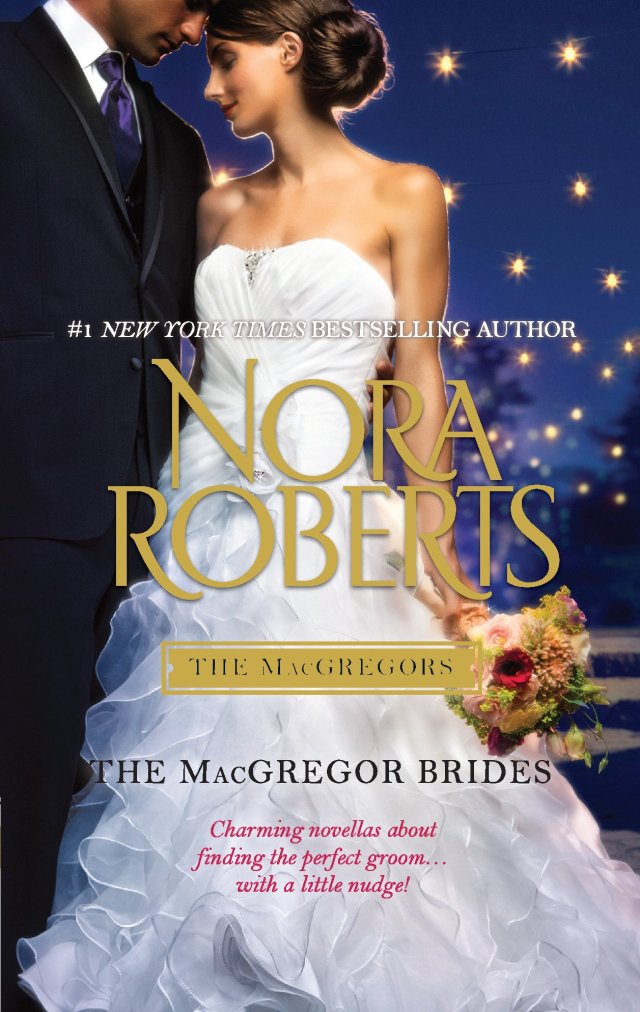
The MacGregor Brides – Nora Roberts

The Macgregor Brides book review

Writer: Nora Roberts
Genre: Romance
Released: 1997
PlotThe MacGregor clan’s patriarch is powerful, rich – and determined to see his three career-minded granddaughters married. So he hand-picked three unsuspecting candidates as worthy consorts… Now all he has to do is set his plans in motion.

A wealthy old man wants great grandchildren, so he devises a plan to set up all three of his granddaughters with eligible bachelors.

Creepy? Maybe. But you can’t deny the perfection of this story. The characters are perfect, their lives are perfect. And everything works out perfectly. Sometimes you need one of these easy books to read without having to think – it’s not a crime, ladies! Feminism may be in full swing, but reading a book about falling in love and marriage is not yet illegal, and shouldn’t be discouraged.

They’ve meddled with Disney love stories, but they can never change my beloved Nora Roberts stories.

Laura the lawyer is successful and rich.

Gwen is a doctor who works tirelessly.

And Julia is the business entrepreneur who doesn’t like to get out of bed in the mornings.

It’s just… Perfection, isn’t it. I love reading books about perfect people with their perfect jobs and perfect hair. You can completely lose yourself in their world in a way that I don’t think you can with TV or movies.

Anyway! They all ‘accidentally’ bump into the men who they are to fall in love with and marry. They each have their own love stories with their own problems and scandal. The characters are mostly aspirational, but there are some traits in each character that you will be able to identify with.

It’s a book that is so easy to read and so easy to lose yourself in. It must be the way Nora Roberts writes – she’s discovered what people like and she knows how to make these characters’ worlds accessible. Brilliant.

It’s shallow and vain and absolutely glorious – the perfect stop gap between heavy thrillers.

If you would like a romance that is a little more realistic, I’d 100% recommend Kat French. Her love stories feature more recognisable characters and slightly more down-to-earth situations.

Jodie’s rating: 6/10

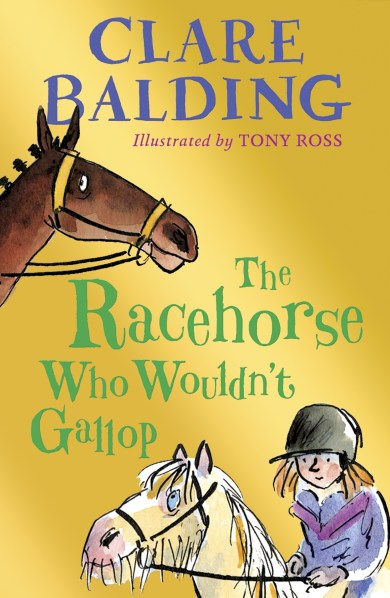
The Racehorse Who Wouldn’t Gallop – Clare Baldwin

The Racehorse Who Wouldn't Gallop.jpg

Author: Clare Baldwin
Released: 2016
Synopsis: Charlie Bass is a horse-mad ten-year-old who dreams of owning her own pony. So when she accidentally manages to buy a racehorse, Charlie is thrilled. The horse she buys, Noble Warrior, looks the part: strong, fit and healthy. There’s just one problem – he won’t gallop. In fact, he won’t even leave his stable without his best friend, a naughty palomino pony called Percy. Charlie is convinced that Noble Warrior has what it takes to be a champion. But can she prove it? Derby Day is fast approaching and only a win can save the family farm from being repossessed. The stakes couldn’t be higher for the Basses. Can Charlie turn her chaotic family into a top training team? Can Noble Warrior overcome his nerves? Will Percy the pony ever stop farting?

Since I’m co-writing a children’s pony book series… Called The Tales of Pete & Podge… Which you can purchase on Amazon… For only $12.95 or on Kindle for $3.92… (Please judge this book by its cover – a new one is being illustrated as we speak!) I decided to do some research, so I borrowed The Racehorse Who Wouldn’t Gallop from the library.

There’s absolutely nothing to dislike about this book, but that’s almost what I don’t like about it. The main character has a unisex name so as not to alienate anybody, the family doesn’t have much money so as to be more relatable, and the characters are all perfectly ordinary.

Nevertheless, I love a good horse book and the humour in this story sets itself a part from the overly sweet pony tales on the market.

You can tell it’s written by a horsie person – everything was very accurate!

What I learnt from this book was that there must be a challenge to overcome. I appreciate that this is rule 101 when it comes to writing a story, but when you get so attached to the characters you’re writing about, making something bad happen to them can become challenging. (I know that’s a strange thing to admit.)

I love the farting palomino pony called Percy, although I don’t think he’s quite naughty enough!

An easy read for any horse lover who is after a light-hearted story.

Jodie’s rating: 5/10


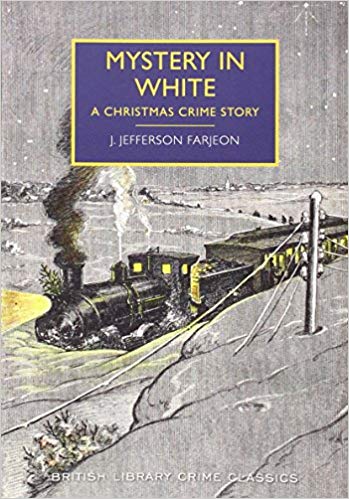
Mystery in White – J. Jefferson Farjeon

mystery in white.jpg

Writer: J. Jefferson Farjeon
Genre: Murder mystery/crime thriller
Released: 1937
Blurb: On Christmas Eve, heavy snowfall brings a train to a halt near the village of Hemmersby. Several passengers take shelter in a deserted country house, where the fire has been lit and the table laid for tea – but no one is at home. Trapped together for Christmas, the passengers are seeking to unravel the secrets of the empty house when a murderer strikes in their midst. 

This was one of the first murder-mystery novels I had read, and it got me hooked on the genre.

I think it was after having read an Agatha Christie Miss Marple novel that I decided to investigate the genre further online, and this book came up. I’m not even sure why or how.

Nevertheless, despite it being a book written in the thirties, it was so well written. It was impeccably easy to read, which made it so gripping.

I probably should have told you about this book before Christmas since it is set on the night of Christmas Eve. But never mind!

It’s about a train that gets stuck in an unexpected snow storm. A group of passengers decide to try and walk through the snow to reach a nearby town, but end up taking refuge in an empty house.

What’s strange about it is that the fire is on, the table is laid and a knife has been left out. There are locked rooms and strange occurrences. Then murder strikes!

Storylines intertwine and different character perspectives show the crime from different angles. I loved every page of it! You get so lost in the mystery of it all, and best of all, the ending is brilliant.

The characters are all from different backgrounds with strong personalities – including a chorus girl, an elderly bore and a psychic.

It did get a bit messy within the final chapters, but I’m hoping I interpreted correctly.

A fabulous read! I still think about it often.

Jodie’s rating: 7/10

Top 5 Ways to Read More Often in 2019

Read Tim Weaver.JPG

While most people intend to read more or vow to finish the novel that’s in their bedside draw, very few people do. Reading a bit of fiction should be relaxing, enjoyable and hopefully educational too. So if you’re wanting to get reading again… Please read on.


reading2.gif1.Persevering with a book can be hard. Make sure you give a novel a decent chance, but if you’re still struggling after 50 pages just put it down and find something else. Reading is supposed to be enjoyable and if you’re not having fun then move on. (Finding an author who writes how you like to read is important.)
 

reading3.gif2.Join a book club – most libraries have them – or join a virtual book club. My favourite book clubs can be found on Facebook where people from all over the world share what they’re reading (I would recommend Facebook Book Club, Silent Book Club or my personal favourite, Online NZ Book Club). Asking for their opinions on books and authors, or even just discussing your favourite book can be so beneficial as it broadens your book and author awareness. Need convincing? Watch The Jane Austen Book Club or Book Club!
 

reading.gif

3.Sometimes it’s easier to find your favourite author rather than your favourite book. Once you find one you’ll have a selection of books to look out for, and similar authors’ work too. My favourite author at the moment is Tim Weaver who writes thrillers. Thankfully he has 10 novels in his David Raker mystery series, so I’m set for a while.


reading5.gif4.Not having enough money is no reason not to read. Go to charity shops to find new books! You don’t need to spend $25 as you can pick one up for as little as $1 in a second-hand shop. (You may even find your true love’s phone number in an old book if it’s anything like Serendipity.)

Public libraries are free so there is 100% no reason not to join up and borrow books. (You may bump into your soul mate, just like in The Time Traveler’s Wife!)

Another idea is a book exchange between your friends or at work: When you all finish with a book, swap with someone else.


reading4.gif5.Read on the go. You might not be blessed with a Kindle, but that’s no reason not to read outside of home. Simply choose a lighter paperback book to keep in your bag and you’ll likely find yourself reading rather than scrolling aimlessly on Facebook on the bus, at the beach or during your lunch break.
One of the best things about reading is that you will have something to chat about with friends and colleagues – even if they’re not avid readers themselves.

I also find that reading a novel that’s high in drama and scandal makes my life more interesting because I end up concerning myself with the characters’ problems rather than daydreaming about nothing in particular.

So get reading!

Jodie

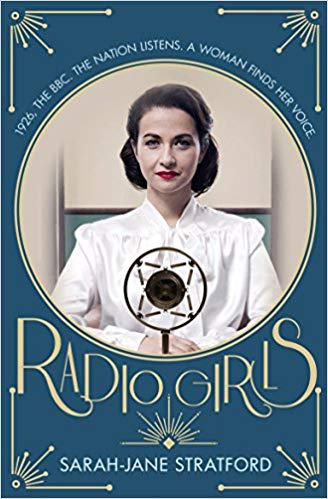
Radio Girls – Sarah-Jane Stratford

Radio Girls Book.jpg

Writer: Sarah-Jane Stratford
Released: 2016
Plot: The Great War is over, and change is in the air, in this novel that brings to life the exciting days of early British radio…and one woman who finds her voice while working alongside the brilliant women and men of the BBC. 

London, 1926. American-raised Maisie Musgrave is thrilled to land a job as a secretary at the upstart British Broadcasting Corporation, whose use of radio—still new, strange, and electrifying—is captivating the nation. But the hectic pace, smart young staff, and intimidating bosses only add to Maisie’s insecurity. 

Soon, she is seduced by the work—gaining confidence as she arranges broadcasts by the most famous writers, scientists, and politicians in Britain. She is also caught up in a growing conflict between her two bosses, John Reith, the formidable Director-General of the BBC, and Hilda Matheson, the extraordinary director of the hugely popular Talks programming, who each have very different visions of what radio should be. Under Hilda’s tutelage, Maisie discovers her talent, passion, and ambition. But when she unearths a shocking conspiracy, she and Hilda join forces to make their voices heard both on and off the air…and then face the dangerous consequences of telling the truth for a living.

I really felt like buying a brand new book one day. So I walked into W.H. Smith and picked one up that took my fancy.

Radio Girls sparked my interest because it was based in the twenties and was about radio. I studied radio at uni and loved it, but never had the confidence to pursue it (instead, I turned to voiceovers, which is more up my street).

I could easily identify with the protagonist who was a young woman starting her first proper job. She is immediately intimidated by the bosses, but she soon gets the hang of her job as the secretary and begins to get involved with the Talks radio programme.

Soon, she discovers a conspiracy. I’m not sure if it was my lack of intelligence, lack of knowledge of the era or the way that it was written, but I found it difficult to get a grip of what the entirety of the conspiracy was. Nevertheless, I understood enough of it to feel the weight of the situation.

While Maisie is getting mixed up with a huge cover-up, she also meets a man. I enjoyed the relationship side of the book so much that I realised that I must read a romance, and consequently discovered One Hot Summer by Kat French. (Which I still daydream about today.)

I enjoyed the parallel of the romance and the radio. Particularly because it echoed the struggle of balancing a career and a family, but also because the proximity of the love story and the serious mystery begin to intertwine…

If you love journalism, radio, 1920s fashion and a touch of romance, please read Radio Girls.

While it’s not a ground-breaking story, it’s pleasant enough.

Jodie’s rating: 6/10

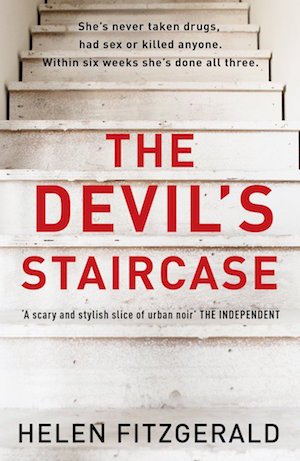
The Devil’s Staircase – Helen Fitzgerald

thedevilsstaircasebook

Writer: Helen Fitzgerald

Genre: Horror/thriller

Released: 2009

Blurb: Bronny, a young Australian, finds herself down and out in London. She’s a sweet girl who has spent her teenage years in a fearful, cautious bubble. She’s never taken drugs, had sex or killed anyone. Within six weeks she’s done all three. A group of backpackers break into an abandoned London townhouse seeking a rent-free life of debauchery. They don’t realise someone’s already there: a terrified woman bound and gagged in the basement. The Devil’s Staircase combines a chick-lit voice and a dark crime noir environment. Not for the faint-hearted, The Devil’s Staircase is funny, sexy and disturbing – it will keep you on the edge of your seat from start to finish.

This book does so well reading as though it’s a movie. I loved how easy it was to read with all the twists and turns and surprises that you didn’t see coming, while never leaving you behind.

It’s about a girl called Bronny who hops on a plane from Australia to London without a second thought. No bag or preparation whatsoever. This is what captured my interest, because isn’t this what we all dream of doing sometimes? Just getting away spontaneously?

Upon arriving in the UK, she quickly makes friends at a backpackers where she stays before they all become squatters together in an abandoned townhouse.

But this story quickly becomes a cautionary tale for any young, solo traveller.

Unbeknown to Bronny – or seemingly the rest of the group – there is a woman gagged and bound in the basement of the house. The story quickly becomes disturbing, scary and really unnerving.

Having gone on this huge horrific adventure of a girl in a big city with a murderer on the loose where you don’t who to trust, all the while trying to figure out who Bronny is as she comes of age, I was mortified by the ending.

I was baited through a dark forest of monsters, temptation and intrigue before being dropped off the edge of a cliff. What the hell. The ending is SUCH a let-down.

Does the ending fit with the story? Well, yes I suppose it does. On paper, the ending is perfectly in-keeping with the novel. But it’s simply not the ending I wanted! Even though I couldn’t relate to the protagonist very much, I was still too emotionally involved with the story for it to end the way it did.

This novel taught me that I don’t like horrors. I prefer crime/thrillers. This was of no fault of the author, just of the genre itself.

If you want a quick read, and you love horror, then read The Devil’s Staircase. But get ready for the moment when you read the final chapter, close the book and sit on your bed staring into space for twenty minutes before you’re ready to return to reality again.

It’s a shocker.

Jodie’s rating: 5/10

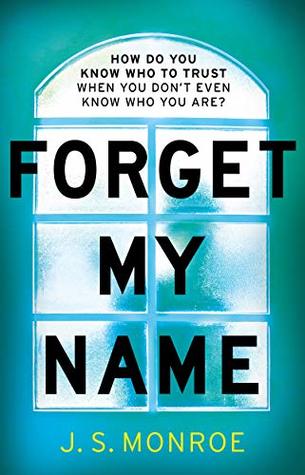
Forget My Name – J.S. Monroe

ForgetMyNameBook.jpg

Writer: J.S. Monroe
Genre: Mystery/crime
Released: 2018
Blurb: How do you know who to trust when you don’t even know who you are?
You are outside your front door. There are strangers in your house. Then you realise. You can’t remember your name. She arrived at the train station after a difficult week at work. Her bag had been stolen, and with it, her identity. Her whole life was in there – passport, wallet, house key. When she tried to report the theft, she couldn’t remember her own name. All she knew was her own address. Now she’s outside Tony and Laura’s front door. She says she lives in their home. They say they have never met her before.
One of them is lying.


This was one of those books that I just took a punt on: I plucked it off the shelf and bought it without any research at all.

I read the synopsis and was captivated enough to read the first page of it in the shop. Then the second. Then the third… So I bought it. (As Tim Weaver mentioned in an interview once, it’s important to find an author who writes how you like to read, and this author certainly does!)

What a find!

It’s another one to add to the Girl on the Train/The Couple Next Door/Gone Girl band wagon to be honest. It’s a psychological thriller with a twist (or two)!

Forget My Name is about a woman who has has forgotten who she is. All she remembers is how to get home from the airport she’s found herself at. But when she arrives at the house that she recognises, she finds two people living there who say that they’ve lived there for several years. They kindly take her in until she can recall more of her life and figure out what has happened.

It certainly gets the cogs turning as it’s a very mysterious story indeed!

Sadly though, there are a few times where my suspense of disbelief was tested with the intriguing twists becoming unexpected u-turns. The story didn’t continue in the direction I’d hoped for as there were a few left-field story arcs.

Nevertheless, it was a page-turner and was good enough for me to recommend to others.

I particularly love the way it was written with the perspective of the different characters alternating between chapters.

It’ll keep you guessing from start to finish, but you’re not going to figure it out!

Jodie’s rating: 6/10

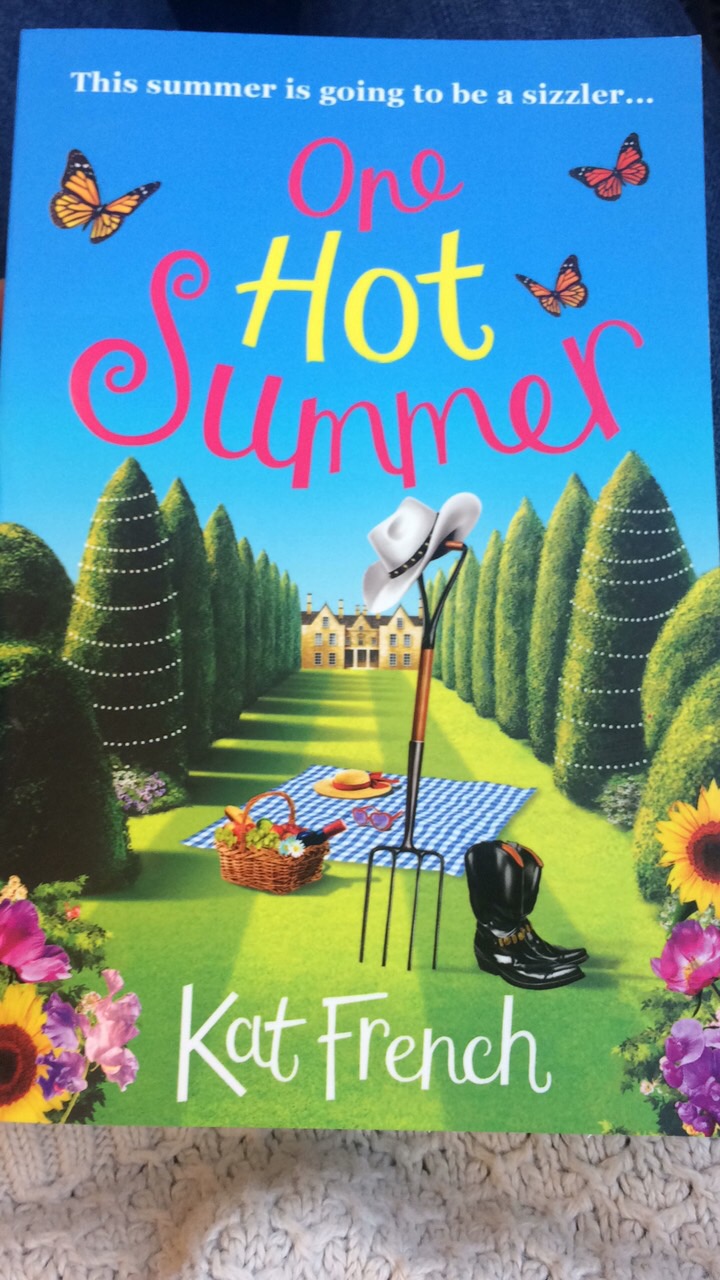
One Hot Summer – Kat French

IMG_1681.JPG

Writer: Kat French
Genre: Romance
Released: 2016
Blurb: Alice McBride’s husband Brad is super famous, totally gorgeous… and having an affair with his co-star. And now it’s splashed across all the newspapers. After kicking Brad out, Alice decides to rent out her beloved home for the summer, but the last person she expects to arrive at Borne Manor is a sexy cowboy called Robinson. Country music star Robinson has had his own share of heartache, and he’s come to Borne Manor to escape from it all. Neither Alice nor Robinson are looking for romance, but the spark between them can’t be ignored. Could a holiday romance help heal their broken hearts? And what will happen when their long hot summer together comes to an end?


I’m no longer ashamed! I will read the books I enjoy, and I enjoy a cheesey romance.

I haven’t heard of Kat French before, but the gist of the theme sort of reminded me of Nora Roberts’ books (of which I’ve read one: The MacGregor Brides – review coming soon!).

I love how this book is set in an old English village. Alice lives in a manor and her best friends live in the smaller dwellings that she owns next door. It’s the perfect life.

But straight off the bat we are in the depths of a scandal! Alice is staring at her husband’s pictures splashed over the front pages of the newspapers: he’s banging his super hot co-star, and this is how Alice finds out.

Now, I was hoping she would live out everyone’s fantasy of slamming doors and throwing frozen Mars Bars at the unfaithful man’s head, but I guess this book is realistic in that way. Alice, in a state of shock, calmly shows him the door despite his pleading.

Her best friends are eccentric and quite funny, who help Alice get back on her feet. They are unrealistically supportive and attentive, but having such close friends who would jump in front of a bus for you is a warm and cozy idea to flirt with in this book.

Due to money issues, Alice has to rent the manor out while she stays in an old RV in the garden, and guess who becomes her tenant… A gentlemanly King of Leon-esk country singer named Robinson. He’s a brilliantly talented musician with a sultry southern accent, chiselled features, rock-hard abs and he love kids and animals. He too is nursing a broken heart, so what could possibly happen when a beautiful single man moves into the beautiful house of a beautiful single woman?

Apart from the fact that it includes a horse, my favourite thing about this book is that nothing really bad happens. It’s just a nice story about falling in love and the bumps along the way. It is such an easy read.

While I am usually up for a MASSIVE scandal with lots of heartbreak and backstabbing and bitchiness, sometimes it’s good to kick the summer off with a sizzling hot romance – no strings attached, no negativity.

It’s hard to not feel happy reading this book. It’s the perfect pick-me-up.

Jodie’s rating: 7/10

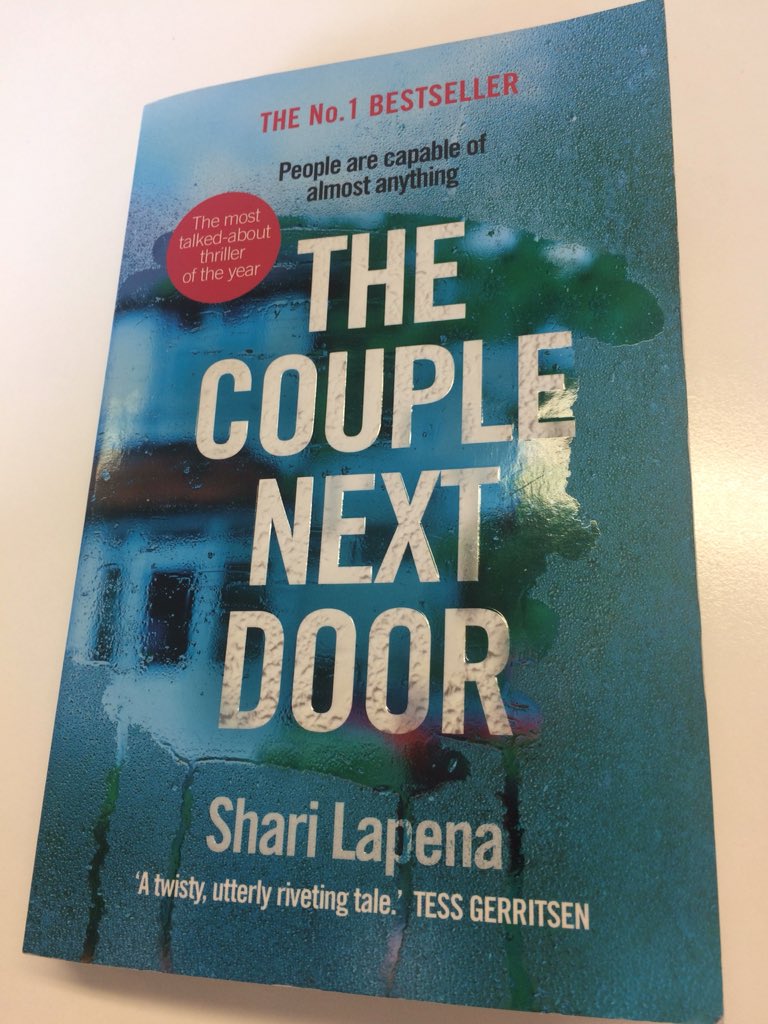
The Couple Next Door – Shari Lapena

thecouplenextdoor.jpeg

Writer: Shari Lapena
Genre: Mystery/crime
Released: 2017
Blurb: You never know what’s happening on the other side of the wall. Your neighbour told you that she didn’t want your six-month-old daughter at the dinner party. Nothing personal, she just couldn’t stand her crying. Your husband said it would be fine. After all, you only live next door. You’ll have the baby monitor and you’ll take it in turns to go back every half hour. Your daughter was sleeping when you checked on her last. But now, as you race up the stairs in your deathly quiet house, your worst fears are realized. She’s gone.


I’ve heard this book is considered to be the next best thriller since The Girl on the Train. While it is most certainly a page-turner (I don’t think I’ve ever read a novel this quickly before), I don’t think the storyline or mystery is on par with The Girl on the Train.

Of course, the money’s in the bag within the first couple of chapters. Playing on everyone’s worst fear of having their child go missing is a gripping basis for a novel. But there were a few major flaws to this story that meant that what began as a brilliantly horrifying story soon turns into an un-mysterious tale.

The main reason for this is Detective Rasbach, who is investigating how Anne and Marco Contis’ baby was kidnapped. While it’s good to have a wise and experienced person in charge, like a Miss Marple/Hercule Poirot kind of character, it is not ideal to have a character who is always right. Regretfully his ‘suspicions’ are always proved to be correct within a couple of chapters, giving the game away too early before every twist and turn.

We shouldn’t be inside Rasbach’s head as frequently because his thoughts reveal the mysteries prematurely. It’s like watching a horror film with someone who commentates it: ‘I bet they die’ or ‘I bet there will be an explosion’, then having them promptly proved correct every time. It spoils the surprises.

Secondly, the entire backstory of Anne is rendered unnecessary and useless. I don’t want to give anything away, but her issues are irrelevant and the conclusion to her part of the story wasn’t needed. Yes, it was twisted and scary, but it didn’t actually have anything to do with the main storyline.

While the story is more crime than mystery, it is a novel that will hook you in from the very first page, which I loved.

Ditch the idea of it being an Agatha Christie mystery, and think about it more as a twisted Gillian Flynn-inspired tale about desperate characters risking it all. Appreciate The Couple Next Door for Lapena’s writing technique, brilliant construction of the story and emotional development. But don’t expect much from the storyline itself (thanks to a certain character giving it away all the time).

Jodie’s rating: 5/10

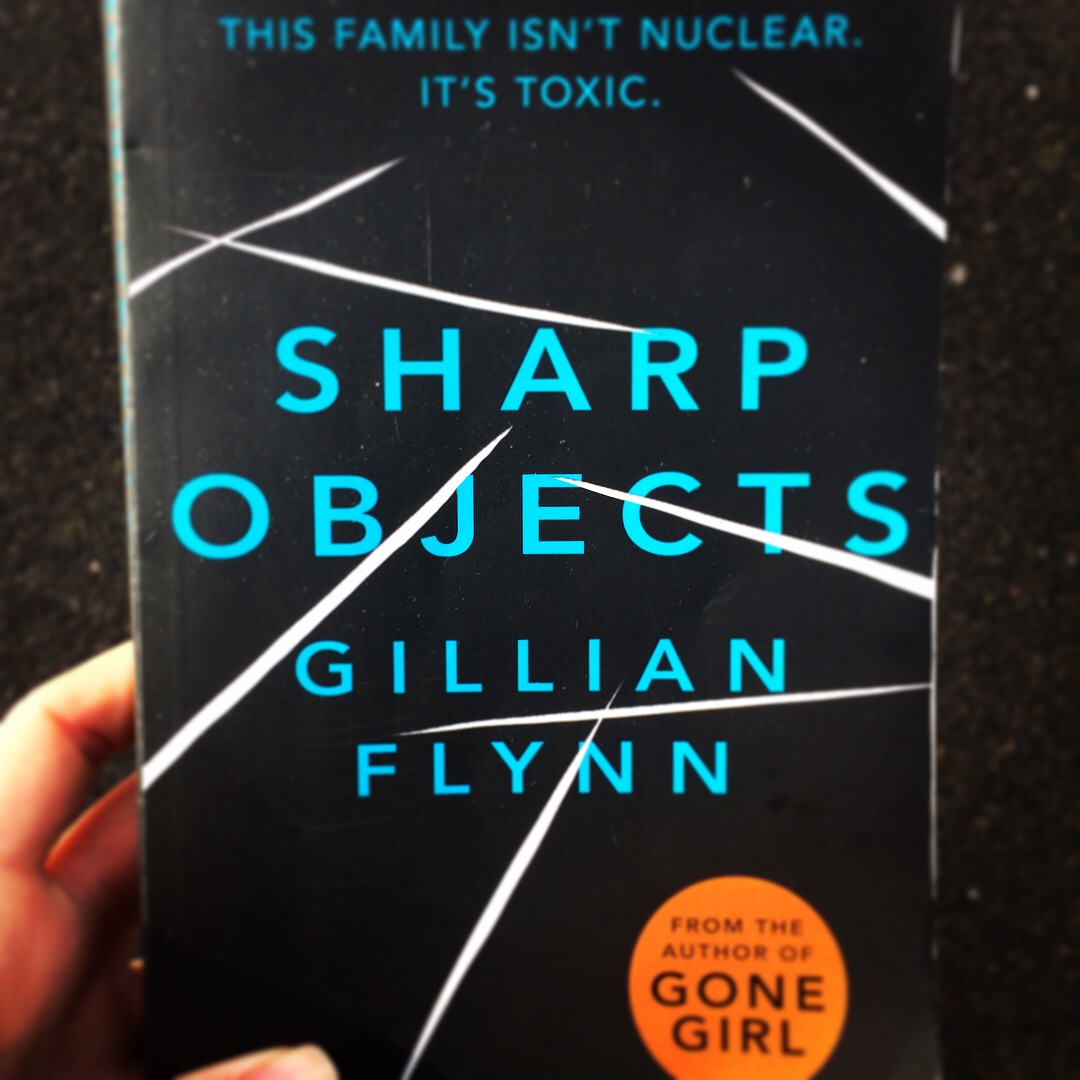
Sharp Objects – Gillian Flynn

Sharp Objects book by Gillian Flynn

Writer: Gillian Flynn
Genre: Mystery/crime
Released: 2006
Blurb: When two girls are abducted and killed in Missouri, journalist Camille Preaker is sent back to her home town to report on the crimes. Long-haunted by a childhood tragedy and estranged from her mother for years, Camille suddenly finds herself installed once again in her family’s mansion, reacquainting herself with her distant mother and the half-sister she barely knows – a precocious 13-year-old who holds a disquieting grip on the town. As Camille works to uncover the truth about these violent crimes. Dogged by her own demons, Camille will have to confront what happened to her years before if she wants to survive this homecoming.

Gillian Flynn’s first novel, Sharp Objects, is a medley of haunting and distressing themes, which frequently give-way to Flynn’s budding talent for telling crime stories.

Like many first-time authors, Flynn draws on a subject she knows about for her first novel; journalism. The main character, Camille, goes back to her creepy hometown to cover the story of preteen murders. Camille also has to confront her over-bearing mother and manic half-sister, all the while, battling with self-harm.

Not going to lie, for the most part, Sharp Objects is sadistically dark for no good reason. It’s more of a horror story about mentally-ill characters, rather than a cleverly-told mystery.

It’s clear Sharp Objects is Flynn’s debut novel, as her tone seems to be in development; it’s slower in pace and is a bit more padded out. It feels like Flynn is trying to be a bit too smart, which makes the crime seem more layered than it really is.

But, her quirky descriptions of characters are featured, which I love. Particularly regarding Camille’s step-father, Alan:

Now he sat, needly legs jutting out of white safari shorts, with a baby blue sweater draped over a crisp oxford. He sweated not at all. Alan is the opposite of moist.

Very rarely did Alan and I talk outside of my mother’s presence. As a child, I’d once bumped into him in the hallway, and he’d bent down stiffly, to eye level, and said, “Hello, I hope you’re well.” We’d been living in the same house for more than five years, and that’s all he could come up with. “Yes, thank you,” was all I could give in return.

It seems like this novel was a great starting point for Gillian Flynn to develop her style of writing, and a place to kickstart her career as an author. However, it certainly isn’t her best work, and not my favourite of hers.

It’s simply too sadistic for no good reason, whereas her novels later on down the line – Dark Places and Gone Girl – are both genius, mysterious thrillers that are brilliantly told. They’re more thought-provoking and complex.

Everyone has to start somewhere though! Flynn’s novels get better and better.

Keep an eye-out for the TV series that is to be released soon, based on Sharp Objects. The director of the series Big Little Lies is behind it!

Jodie’s rating: 5/10

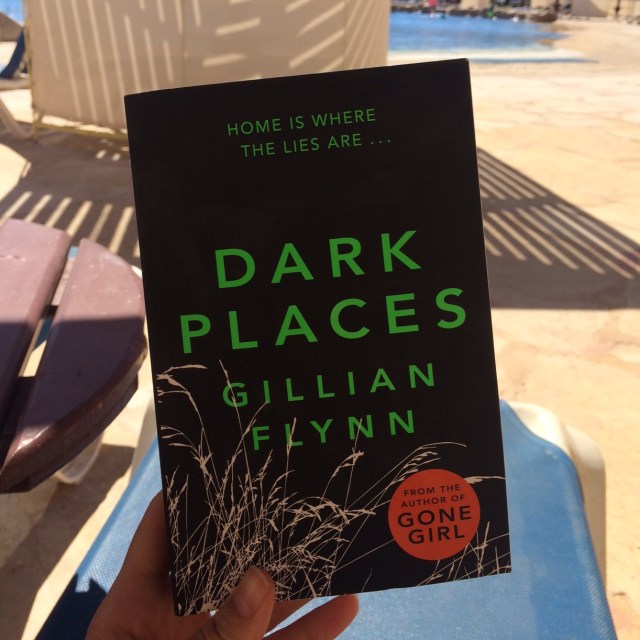
Dark Places – Gillian Flynn

dark places - gillian flynn

Writer: Gillian Flynn
Genre: Mystery/crime
Released: 2009
Blurb: Libby Day was seven when her mother and two sisters were murdered in “The Satan Sacrifice” of Kinnakee, Kansas. She survived—and famously testified that her fifteen-year-old brother, Ben, was the killer. Twenty-five years later, the Kill Club—a secret secret society obsessed with notorious crimes—locates Libby and pumps her for details. They hope to discover proof that may free Ben. Libby hopes to turn a profit off her tragic history: She’ll reconnect with the players from that night and report her findings to the club—for a fee. The unimaginable truth soon emerges, and Libby finds herself right back where she started—on the run from a killer.

After finishing Murder on the Orient Express on holiday, I moved on to Dark Places; a natural choice as I loved Gone Girl so much.

Dark Places is a story about a seven-year-old girl, Libby Day, who witnessed the massacre of her family. She testifies against her 15-year-old brother, who ends up in jail.

Libby is still deeply emotionally scarred by the murders 25 years on, and is struggling with depression, to pay bills, to even get out of bed in the mornings. When one day, she receives a phone call from a man explaining that there is a growing belief in the community that her brother is innocent.

With the motivation of getting a bit of desperately-needed cash by speaking to this man, she begins to question what happened that day. Did she really see her brother killing her family? Or was this man right, in that Libby was just a confused seven-year-old, guided by police and councillors to testify against her big brother?

She goes on a rocky, dark quest to discover the truth. Previously buried memories are remembered, and hidden clues are found.

This was certainly a very dark story. More horror than thriller in parts, particularly due to the satanic themes. So it’s not really a novel I would whole-heartedly recommend to everyone.

I certainly don’t think Dark Places should have a ‘if you liked Gone Girl, you’ll love this‘ kind of review. Because they’re both rather different.

However, it still has Gillian Flynn’s genius way of writing. You’re bouncing all over the place, between different characters’ points of view (which I LOVE), from before, during and after the murders, and not once are you lost or confused. How does she do it??

What I have learnt from Flynn’s writing is that she loves flawed characters. Same with Gone Girl; there’s no goodie and baddie, really. They’re all bad and all good in one way or another. Mostly bad. But still human enough to relate to them in some ways.

Prepare yourself for the bitter self-loathing you’ll endure because Gillian Flynn is such an amazing writer. So amazing that it seems totally unattainable to ever become half as good as her. It’s very annoying.

She has a talent of describing exactly what she means in such few words. From memory, a line that stood in my mind was when a character was trying to get another character’s attention in an intimidating way, and Flynn uses the word ‘needled’ to describe the sharp annoyance of the character’s persistence. Who would have thought to use that word? You get the whole picture in just one word! Genius.

I thought I couldn’t enjoy a book if I didn’t like the main character. Turns out, I can. I was hooked! It’s a classic ‘who dunnit’ mystery, laced with terror, gore and fear.

Overall, yes, you must read this. It’s fantastic. Gillian Flynn is a remarkably talented writer. But just prepare yourself for satanic sacrifices and horrific descriptions. It’s a bit full on.

Now that I’ve finished the book and started Googling about it, I realised there was a 2015 movie based on this book! Dark Places, the movie, features Charlize Theron (totally wrong casting right off the bat), which I will be watching this week. I’ll let you know if the poor reviews are accurate!

Jodie’s rating: 8/10

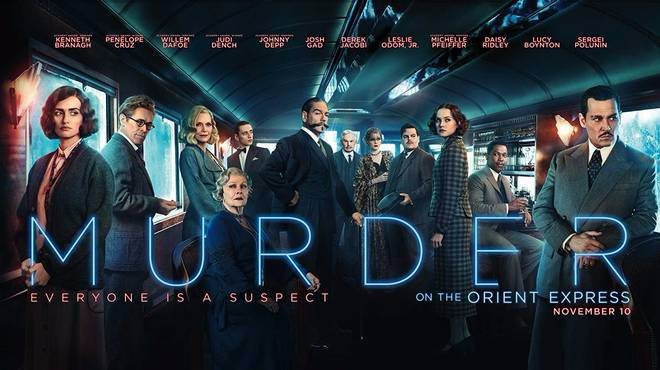
Murder on the Orient Express

murder1

Director: Kenneth Branagh
Writer: Based on Agatha Christie’s novel. Screenplay by Michael Green
Released: November 2017
StarringKenneth Branagh, Penélope Cruz, Willem Dafoe, Judi Dench, Johnny Depp, Josh Gad, Derek Jacobi, Leslie Odom Jr., Michelle Pfeiffer and Daisy Ridley

‘Um. No.’ – My review in brief of both the film and book.

I read the book then immediately watched the film, but ultimately they were both disappointing. (The film, more so.)

I am a huge Agatha Christie fan and have read a fair few of her books, but despite its fame, Murder on the Orient Express is by far the biggest disappointment – mostly due to the ending.

CHARACTERS
Basically, in regards to the film, there are far too many characters to keep track of and far too many details to ponder for it to be an enjoyable murder mystery film. Whereas in the book, it is an intriguing and baffling mystery – because you have time to think about everything and consider all the possibilities before the conclusion.

In addition to this, I’d like to add that there are many big names in this film, who seemed to have been cast despite their obvious lack of similarity to the characters in the book.

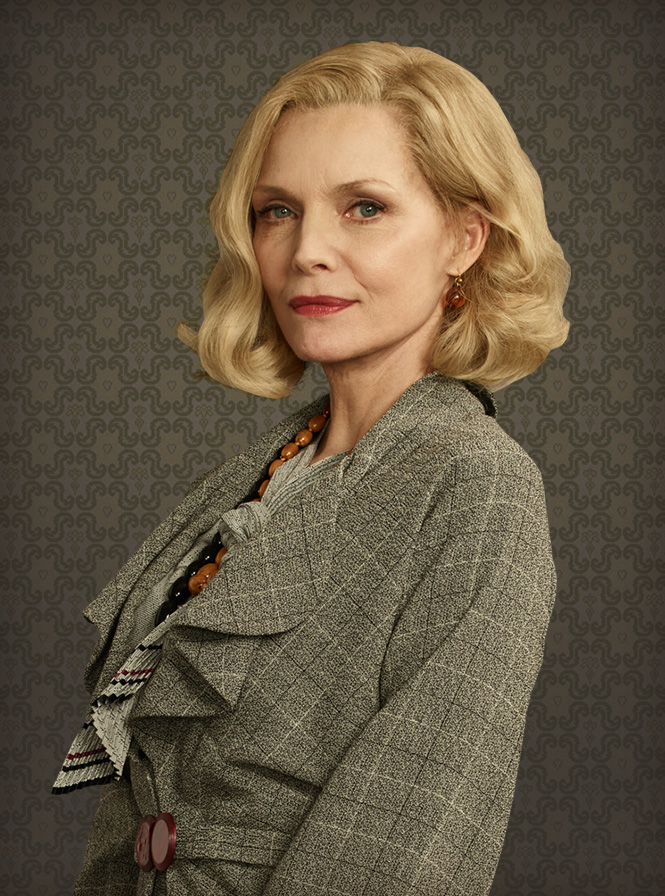
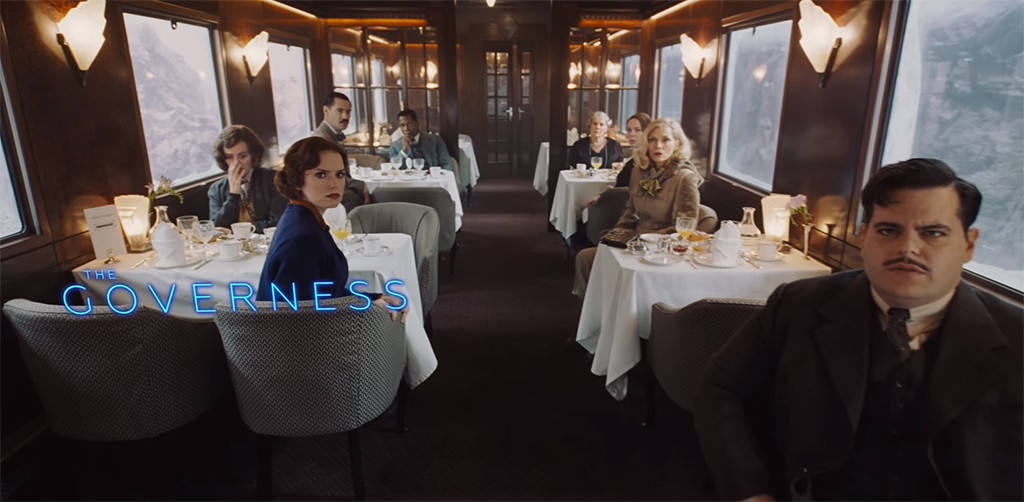
For example, Mrs Hubbard is described as a plump, humorous, brash, loud and excitable woman, but also motherly and thinks highly of her daughter. Quite clearly, I imagined Kathy Bates would play the role (with her performance of Molly Brown in Titanic in mind), who is the opposite of Michelle Pfeiffer who played Mrs Hubbard in the film as a flirtatious cougar:

Murder2Murder3


Several characters that are included in the book are excluded in the film, or are merged into one character, which became somewhat confusing and disappointing. I was quite attached to the sobbing, ‘sheep-faced’ Greta Ohlsson, who was totally removed from the film.

“She’s like a sheep, you know. She gets anxious and bleats.”

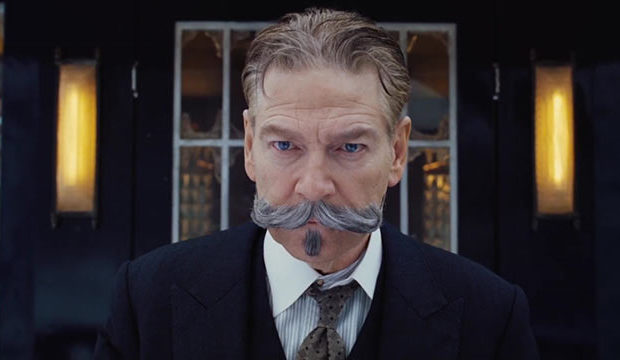
The detective, Hercule Poirot, gets things wrong in the film and accuses people too early. He comes across as a bit of an amateur, which is absolutely not accurate. Totally unlike the calm, level-headed, particular Hercule Poirot who knows the answers long before he says so.

Murder on the Orient Express review

DIALOGUE
In the film, there is a few action scenes that echo Sherlock Holmes. I felt this was jarring and unnecessary (and are not in the book, I might add!).

I was disappointed by this tone of the film because I was expecting a The King’s Speech kind of feel. Where the dialogue becomes a character of its own, where it is so captivating that you find yourself totally lost in what the character is saying – looking for clues in the way they choose their words. Where the dialogue is isolated by extreme close-ups and static camerawork during dry, but captivating monologues.

It’s a shame really! I can see so clearly what I would change about this movie. There is so much important dialogue, but its treated as a nuisance that is rushed through and forgotten about and interjected with pointless action scenes.

Murder on the Orient Express review

ENDING
The ending was the biggest let-down – in terms of the book and film. Without giving it away completely, I will say that if ‘…and he woke up and it was all a dream‘ is the worst ending to a story ever, then the ending to Murder on the Orient Express is the second to worst ending ever. It was a massive deflation after a long, climactic, uphill hike.

In regards to the film, it was more than just the ending that was disappointing. It was the film in its entirety. Basically, there are around 15 main characters in this story, and all of them need to be given almost equal attention as they are all suspects and they all need to be interviewed.

So, as you can imagine, this means there is a lot of detail that needs to be told to the audience in a very short amount of time!

I don’t mean to do the cliche thing of saying ‘it was not as good as the book’, because although this is true, I think Murder on the Orient Express is a story that is simply unsuitable for the screen. It just doesn’t work – there’s too much information that needs to be conveyed.

Basically, if you haven’t read the book, you’re probably going to be quite lost in the film because they skim over the dialogue – which is all disguised in heavy accents anyway. So even if you do catch some important detail, you probably won’t be able to decipher the meaning of it anyway.

murder6

MY CONCLUSION
Overall, not Agatha Christie’s best ending, and not an enjoyable film. Too confusing and without the ‘gasps’ and intrigue of the book. Perhaps if Kenneth Branagh picked between playing the main character or the director, instead of doing both, then perhaps more time would have been spent on the script.

I know no one intends to make a bad film… But y’all made a bad film.

Jodie’s rating: 3/10

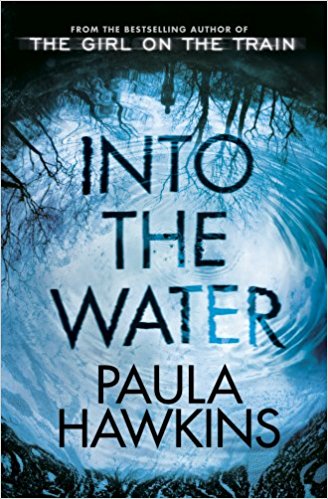
Into the Water – Paula Hawkins

into the water book review

Writer: Paula Hawkins
Genre: Thriller
Released: 2017
Blurb: Just days before her sister plunged to her death, Jules ignored her call. Now Nel is dead. They say she jumped. And Jules must return to her sister’s house to care for her daughter, and to face the mystery of Nel’s death. But Jules is afraid. Of her long-buried memories, of the old Mill House, of this small town that is drowning in secrecy . . . And of knowing that Nel would never have jumped.

Firstly, I will save the suspense and answer your call; ‘no’, it’s not as good as Girl on the TrainNevertheless, it is a fantastic book in its own right. Keeping Paula Hawkins’s style of short chapters from different characters’ points of view, you’ll find your self on the final chapter without even realising it.

Into the Water is a compelling and moody ‘who done it’ tale about the most recent death at a particular spot in a river known as the ‘drowning pool’ within the town of Beckford. The drowning pool is where suspected witches were drowned years ago, but the haunting tales and myths of the area are oppressive and obsessed upon by many.

“Beckford is not a suicide spot. Beckford is a place to get rid of troublesome women.”

Beckford is where many residence are said to be descendants of witches, and the river is as much a character as anyone. It courses like veins through the town, connecting all the characters as it weaves itself through their lives.

“Some say the women left something of themselves in the water; some say it retains some of their power, for ever since then it has drawn to its shores the unlucky, the desperate, the unhappy, the lost. They come here to swim with their sisters.”

We follow the story of Jules mostly, whose dark childhood of growing up by the river is reflected upon. She has had to return to the town because her estranged sister, Nel, is dead. Nel was researching and writing about the drownings in the river until she became the most recent victim. Was she murdered? Did she commit suicide like all the women she wrote about? Or was it something even more mysterious?

“You were never the princess, you were never the passive beauty waiting for a prince, you were something else. You sided with darkness, with the wicked stepmother, the bad fairy, the witch.”

This was a page turner in the same fashion that Girl on the Train was, with the same gritty, dark and moody themes. But unfortunately, like a Scooby Doo cartoon, the fear surrounding the almost supernatural river that claims lives in a trance-like way is soon unmasked to show nothing more than a body of water surrounded by superstition.

Into The Water is less about witches and curses and unexplained deaths, and more about female victims becoming strong, and male villains getting their just deserts. Which, was disappointing for me.

“No one liked to think about the fact that the water in that river was infected with the blood and bile of persecuted women, unhappy women; they drank it every day.”

Nevertheless, there are a couple of twists in there, with one twist being the final line on the final page. (So don’t rush through the ending.)

If you enjoyed Girl on the Train, I still think Into the Water is worth a read. I praise Hawkins’s style of writing, which makes for addictive reading. It’s absolutely brilliant.

Jodie’s rating: 6/10


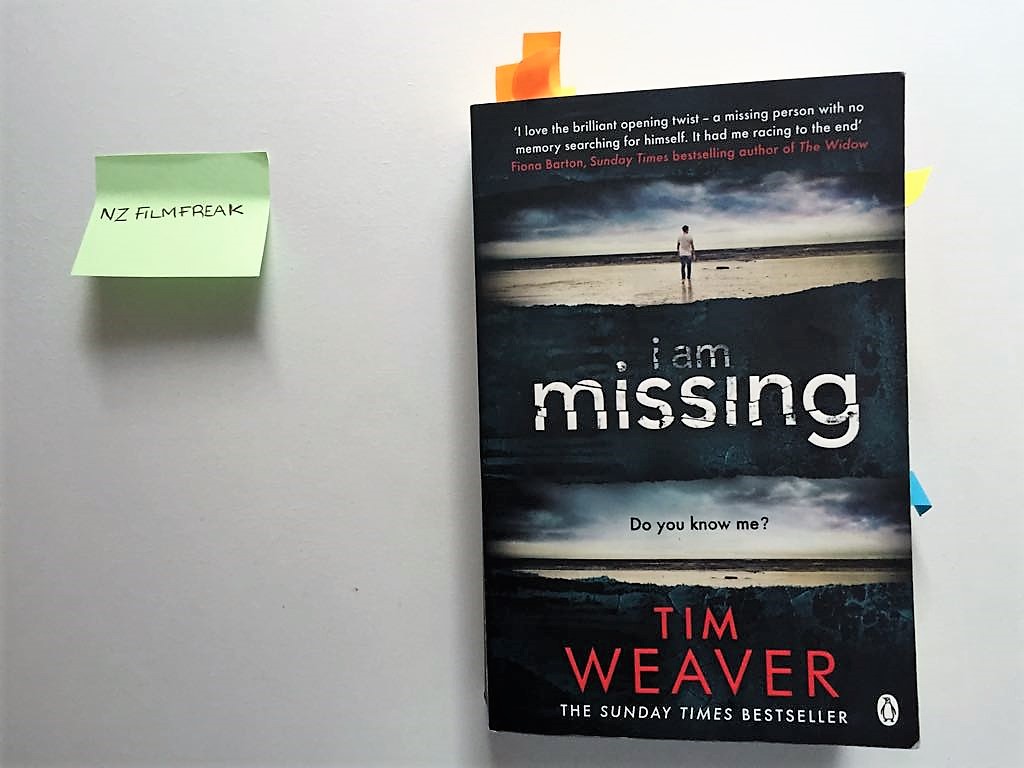
I Am Missing – Tim Weaver

Tim Weaver book I Am Missing

Writer: Tim Weaver
Genre: Crime thriller
Released: 2017
Blurb: When a young man wakes up bruised, beaten and with no memory of who he is or where he came from, the press immediately dub him ‘The Lost Man’. Ten months later, Richard Kite – if that is even his real name – remains as desperate as ever. Despite appeals and the efforts of the police, no one knows this man. Kite’s last hope may be private investigator David Raker – a seasoned locator of missing people. But Raker has more questions than answers.
Who is Richard Kite?
Why does no one know him?
And what links him to the body of a woman found beside a London railway line two years ago?

*I have tried my best not to include any spoilers in this review*

Within five days of reading it whenever I could steal an hour or two, I finished I Am Missing. I breathed a massive sigh of relief; I had been carrying a heavy burden over the last five days. I lived and breathed this story, and I felt as though I had experienced this mystery first-hand. Needless to say, I’m feeling emotionally exhausted now (in a good way).

As the story is written in first-person (rather effectively too), I felt like I was walking in the protagonist David Raker’s shoes. After Raker meets the man without any memory, ‘Richard Kite’, I felt like I had reached a dead-end along with Raker – despite only being five chapters in. It’s a missing person’s case where the missing person is standing right in front of him… Where on earth do you start to figure out who he is and where he’s come from?

“I started to wonder for the first time whether taking this case may have been a mistake.” -Investigator David Raker, chapter 5

Believe me, Raker, I was too. I was scratching my head thinking, ‘how the hell are we going to get to the bottom of where this Richard Kite fellow has come from?’. I felt genuinely anxious and concerned, my eyes drifted away from the book as I bit my lip worriedly, trying to think what to do…

Before reminding myself that I am, in fact, not a private investigator called David Raker, and I am merely sitting on a couch reading a fictional book.

Idiot.

This book does suck you right in, though. I had no awareness of my surroundings when I was reading I Am Missing. An hour became three, and at the end of every chapter phrases such as ‘no way’, ‘shut-up’, ‘holy Jesus Christ’, ‘get out of town’, ‘he did not just do that…’ were muttered as I sat in shock and suspense.

This book was particularly poignant for me because it is partly based in the Dorset/Devon area, which is where I live! I love reading about stories based so close to home.

Style of writing
Being a massive fan of Agatha Christie’s murder-mysteries, I knew I would enjoy Tim Weaver’s crime-thriller from the first page. But it was Weaver’s style of writing that hooked me in before the story itself did; it’s the author’s ability to write an exciting story in an easy-to-read fashion. Perhaps it’s his journalistic background that has influenced his style.

Don’t get me wrong: that is not a reflection of simple or amateur writing by any means. Rather an enviable skill of creating complex and exciting scenes without confusing or losing the reader along the way.

I loved how short the chapters were; it’s such a sense of accomplishment. (This 516-page novel is divided into 81 chapters, which is an average of 6.4 pages per chapter.) But what’s genius about it, is how there is a cliffhanger at the end of every chapter! I really struggled to keep my heart rate down, particularly the few chapters about the ‘The Monster’.

It was about a hundred feet away, on the fringes of the torchlight…Whatever it was, it was following them, crouched slightly, the arch of its back, its arms, visible above the apex of the grass… –The Monster

I read this part on the train, and I can’t imagine what my expression looked like when the guard interrupted my engrossed reading to check my ticket.

The only passages in his book that I found jarring were a few bits of dialogue from a young character called Beth. Maybe Weaver isn’t too familiar with how young teenage girls talk to each other? I would have swapped a few words, and written the dialogue a bit differently. But perhaps that’s simply because I was a teenage girl once. Nevertheless, it didn’t detriment the story in any way.

How I wish I could write a well-articulated story. I kept thinking about Kristen Wiig’s character in Walter Mitty who spoke about how to write a mystery book:

“Connect the clues, and then scatter them so they seem unrelated” – Cheryl, The Secret Life of Walter Mitty

Although, in my attempts at writing a novel, it certainly isn’t as easy as Cheryl makes it seem!

Characters
Although there was no character in particular I could strongly identify with or whom I looked forward to reading about, the characters certainly all had a strong sense of identity. Perhaps I didn’t resonate with the characters as much as I have with other books because I tend to read books about a female character’s internal, emotional struggle rather than external, environmental problems that Raker experienced in this book.

I did, however, enjoy that the protagonist was not a cold-hearted killing machine, which I’ve found tends to be the case in crime and action books. The emotions of this character surprised me, as he endured remorse, regret and a reflection of what his conscience would be battling with afterward. I liked that about him the most; he’s a forward-thinking empathetic person.

“I pushed the guilt down, burying it with all the grief I’d tried to suppress over the years, the regrets, the fear…” –Raker, chapter 62

There were mini summaries at the end of most chapters, whereby Raker would go over all the notes he had just taken and all the remaining questions yet to be answered, which was massively helpful for the reader.

I also liked how, even in a situation of panic and where a decision had to be made quickly, Weaver would write out the decision-making process of the protagonist. Surprisingly, this didn’t take away from the urgency of the situation either – it heightened the intensity if anything.

“A moment of hesitation halted me, gluing me to the carpet. Take it, and he’d know for sure that someone had broken in. Don’t, and I might never know the truth. In a split second, I thought about the consequences of taking it – stealing it…” –David Raker’s decision-making, chapter 31

Overall
In Weaver’s story, I was absolutely taken into another world where I studied what every character said and did. I wasn’t just reading, I felt like I was actively taking part in solving the mystery. As cheesy and lame as that sounds… I just mean that my suspension of disbelief never wavered.

I Am Missing is a tense read, but I strongly recommend it. I know it’s a cliche, but you seriously won’t be able to put it down. I read it on the train, over dinner, on the toilet, in the bath, at work while pretending to listen to angry customers over the phone, before breakfast… Seriously. At the end of every chapter, your stomach will drop and you’ll be fighting nervous sweats.

There aren’t any lulls or ‘fluffy’ chapters, just a lot of mystery and questions that ever so slowly get answered – but probably not with the answers you’d expect.

Jodie’s rating: 8/10

PS. Note to publisher: On page 248, 11 lines from the bottom, there is an error where the word ‘were’ has been repeated. ‘So what were they were doing together?’ #hireme #wannabeproofreader