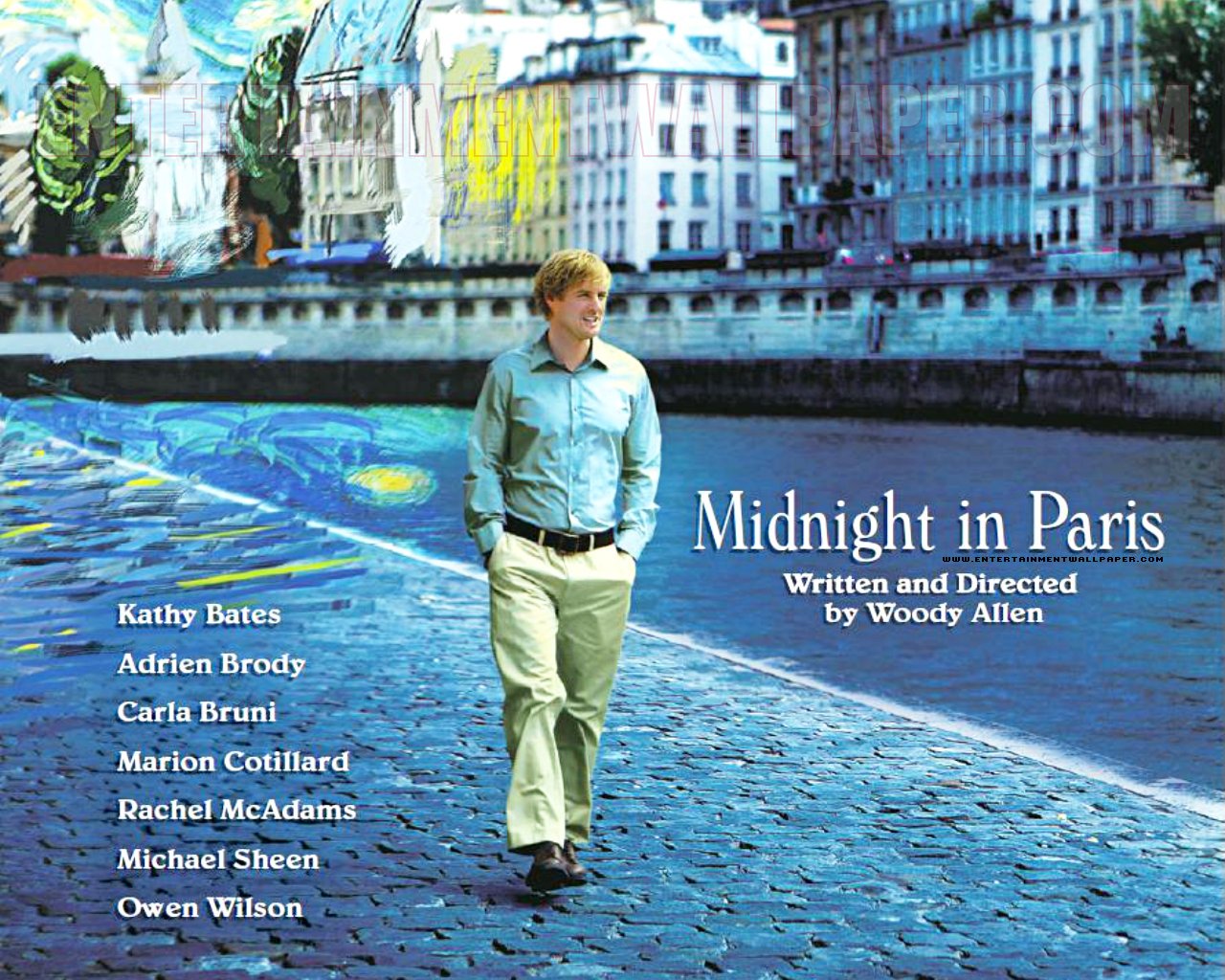
Director: Woody Allen
Writer: Woody Allen
Released: June 2011
Starring: Owen Wilson, Rachel McAdams, Marion Cotillard, Kathy Bates, Adrien Brody
—
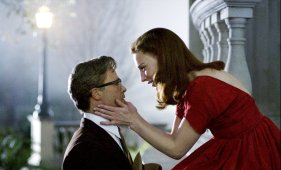
When I first watched this film I was disappointed because I had hyped up the plot of Gil (Owen Wilson) travelling through different time eras of Paris. The artistic, fashionable, sophisticated and elaborate times of the 1920s, as well as the ceremonious, coming of age times of the 1890s. But after letting my great expectations subside, I really enjoyed the watch.
 The plot is about the Golden Age. That is, longing to live in a time before your own. For example, mine is the early 1960s. Rock and roll music and amazing fashion, with the huge liberal movement against war and for free will.
Paul: Nostalgia is denial – denial of the painful present… the name for this denial is golden age thinking – the erroneous notion that a different time period is better than the one one’s living in – it’s a flaw in the romantic imagination of those people who find it difficult to cope with the present.
However, Midnight In Paris attempts to shroud my Golden Age in contempt, trying to convince me that few are content with the current times and to get over it. It dampened my comfort of believing I would be happier in a different time, because the reality is – as Gil discovers – that you would simply find another time that you would believe to be better.
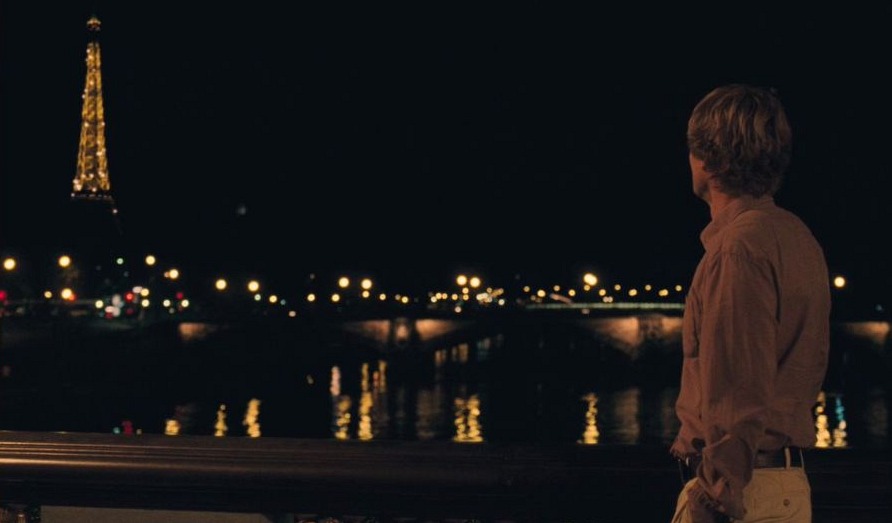
There is a lot of magic in this film, which I love. Gil goes through a wormhole of sorts, where at the strike of midnight every night a 1920s car picks him up and takes him to parties with his literary heroes. It’s a beautiful “what if” storyline that lives out everybody’s dream to travel through time to experience a life not meant for them.
I think that the decision for Gil to be transported to different era via transport appropriate for that time was perfect. It seems like a small, obvious detail, but I’m just glad that there was no CGI, special effects or sound effects to make the transition obvious.

This magic does not last throughout the film, however. “The grass is always greener on the other side” is a phrase that has been converted into the moral of this story – the cold, harsh light of day is not welcoming.
Gil sees that the beauty of every era can still be inspiring without having the ability to experience it first hand. Which is disappointing since it seems that he is throwing away his idyllic time era of 1920s Paris for an average life in 2010 Paris. He could have continued to live his dream, but chose not to for no convincing reason.
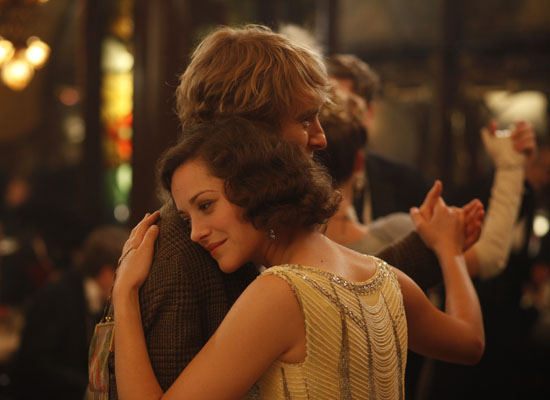
On the other hand, I loved how his heroes gave him advice and support, which ultimately builds his confidence to improve his life in the present.
Gil: Would you read it?
Ernest Hemingway: Your novel?
Gil: Yeah, it’s about 400 pages long, and I’m just looking for an opinion.
Ernest Hemingway: My opinion is I hate it.
Gil: Well you haven’t even read it yet.
Ernest Hemingway: If it’s bad, I’ll hate it because I hate bad writing, and if it’s good, I’ll be envious and hate all the more. You don’t want the opinion of another writer.
Instead of taking the easy option of staying in his dream, he takes the tough road of building his life into what he really wants. I guess he shook of the security blanket of living in the past – an easier place to live because you know what’s coming for you.
Gil: Adriana, if you stay here though, and this becomes your present then pretty soon you’ll start imagining another time was really your… You know, was really the golden time. Yeah, that’s what the present is. It’s a little unsatisfying because life’s a little unsatisfying.
Gertrude Stein: We all fear death and question our place in the universe. The artist’s job is not to succumb to despair, but to find an antidote for the emptiness of existence.
The beautiful French music was glorious! Seriously considering buying the soundtrack.
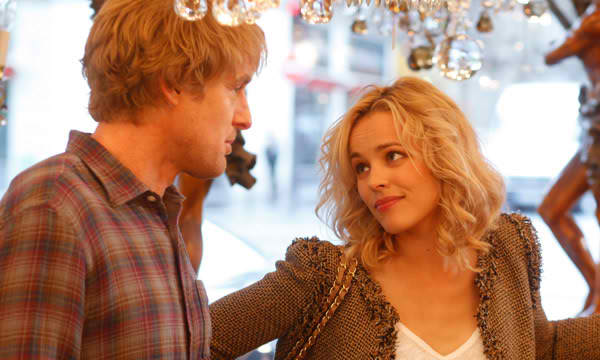
The acting was very well done. I really hated Rachel McAdam’s character. Like, it got to the point where I was starting to think that she must be a total bi-atch in real life because she played evil Inez so convincingly. So, kudos to her acting ability.
Owen Wilson was pretty much the same character he is in everything. I’m not totally sure why he was cast. Perhaps to keep the film upbeat.
It is an uplifting tale of something that many of us dream of doing. The ending was rather disappointing, at first. But I have come to terms with it, and I think it works well for Gil.
Worth a watch, but don’t expect it to be a deep and meaningful movie – you will be disappointed! Look at it as a quirky drama/rom-com. Although, I do think that it would have been a very moving film if it was heavier with more drama and emotion.
Jodie’s rating: 8/10
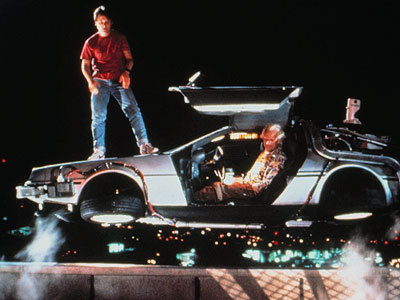
 “Roads? Where we’re going, we don’t need roads….” We go to the future with Marty (Micheal J. Fox), Doc (Christopher Lloyd) and Marty’s girlfriend Jennifer (Elizabeth Shue) because Doc is concerned that their son will be framed by the grandson of Biff (Thomas F. Wilson), Marty’s high school bully.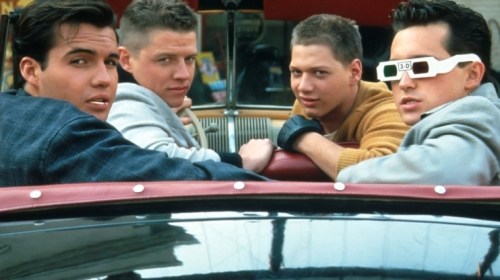
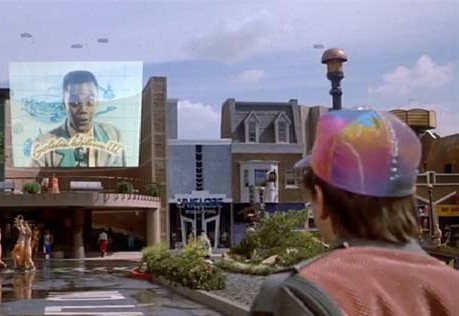 This dark film exposes the full extent of the dangers of time travel as Marty finds his father’s grave and his mother married to Biff in the alternate 1985. There’s a lot of gun action and accurately predicts the rise of corporations ruling the world (Biff’s company owning the police force) and everybody’s infatuation with money. It’s a massive flip-side to the innocent times of the previous film which is unexpected.
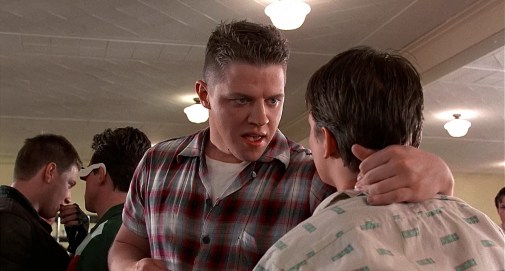 As we are trapped in the fifties, we see the repetitive nature of the McFlys and how each generation get bullied by the same family of Marty’s bully as well as the lack of self-confidence carried from father to son in the McFly family. This structured life brings out the irony and humour of the story.
 So while he is stuck in the fifties he finds the Doc from that era to help try find another fuel to get the usually nuclear-run time machine back to the eighties! All at the same time, trying to get his future parents to meet and fall in love whilst trying to get back to the future! It’s such an exciting and fun film which looks very well made for its time.
 NZ Film Freak